
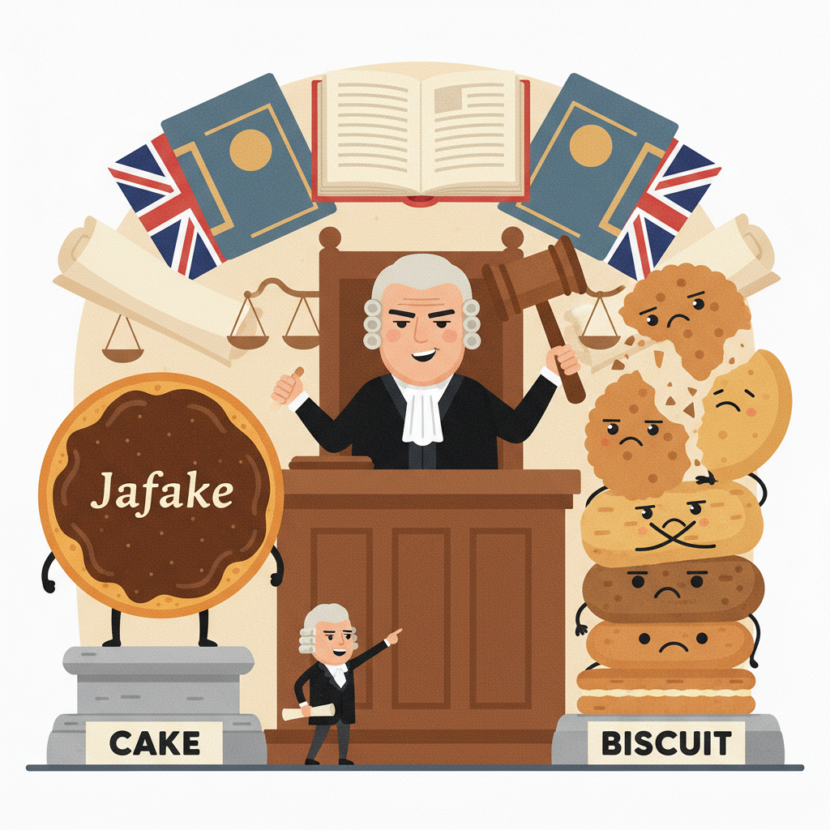
Did you know that a simple Jaffa Cake once sparked a major legal battle over its tax status? In 1991, McVitie’s, the maker of Jaffa Cakes, took on HM Customs and Excise in a case that would define the Jaffa Cake’s identity for years to come. The core of the dispute? Whether a Jaffa Cake should be taxed as a biscuit or a cake. This seemingly small question led to a fascinating exploration of what makes a food item a biscuit versus a cake.
Biscuit or Cake?
In the UK, biscuits are generally considered “plain” and are subject to Value Added Tax (VAT). Cakes, on the other hand, are typically seen as a more substantial item and are exempt from VAT. McVitie’s argued that their Jaffa Cakes were, in fact, cakes. Their reasoning was based on a few key characteristics that differentiated the Jaffa Cake from a typical biscuit.
What Makes a Jaffa Cake a Cake (Legally Speaking)?
The crucial evidence presented in court highlighted several points that swayed the judges towards the “cake” classification:
- Size and Texture: Jaffa Cakes are larger and softer than most biscuits. A typical biscuit is hard and brittle, designed for dunking.
- Ingredients: While containing flour, sugar, and egg, like many baked goods, the proportion of ingredients and the baking process contributed to a cake-like texture.
- The Chocolate Coating: The thin layer of chocolate on top was considered a topping, similar to icing on a cake, rather than an integral part of a biscuit.
- The “Crumbliness” Test: A key differentiator used by the court was the “when is it a biscuit” test. Biscuits tend to go stale if left out, whereas cakes remain moist. The Jaffa Cake, when left out, hardens, but the court deemed this a cake-like characteristic.
Ultimately, the Tribunal ruled in favour of McVitie’s, declaring that a Jaffa Cake is indeed a cake. This decision meant that Jaffa Cakes were exempt from VAT, a significant win for the company and a quirky piece of British food law history.
The Jaffa Cake’s Enduring Appeal
Beyond the legalities, the Jaffa Cake remains a beloved treat. Its unique combination of a soft sponge base, tangy orange jelly, and a crisp chocolate topping makes it a popular choice. Whether you consider it a biscuit or a cake, its deliciousness is undeniable. For those inspired to recreate this iconic treat at home, a simple recipe can be found at lovecakebake Jaffa Cake .
Expert Opinion
Food historian Dr. Eleanor Vance notes, “The Jaffa Cake case is a fantastic example of how everyday items can become subjects of intricate legal and cultural debate. It forces us to define categories that we often take for granted.”
Conclusion
The Jaffa Cake’s journey from a simple snack to a legal entity is a testament to its unique nature. While the debate might seem trivial to some, it highlights the complexities of classification and the importance of detailed examination, even for our favourite treats. The Jaffa Cake stands firm in its cake-like identity, a delicious victory for consumers and a fascinating footnote in British culinary law. For more on the history of British baked goods, you can explore resources from the Victoria and Albert Museum.